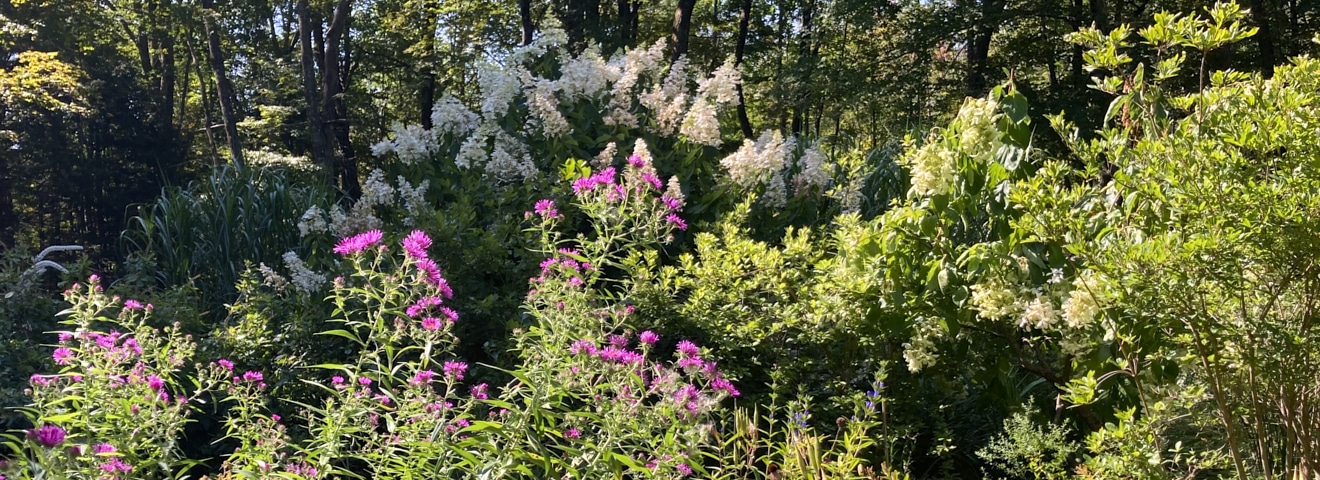
A native plant is an indigenous species that occurs naturally in a specific region, ecosystem or habitat without human intervention. These plants have evolved over thousands of years, adapting to local climate, soil and hydrology, often co-evolving with wildlife to form a high-functioning food web. Whenever we lose a group of native plants, we risk losing the animal species that depends on it.
When choosing native plants, be aware that “Native” listed on a nursery tag usually means “native to North America,” not necessarily native to Norfolk, Litchfield County, Connecticut or even New England. It is better to look for plants that occur naturally in Norfolk or the surrounding area, as these will be locally adapted and most likely to thrive in our ecosystem.
Certain native plants are often referred to as a “Keystone.” These are native species that support such a wide variety of insects and birds that they play a particularly critical role in the ecosystem. For a list of keystone native plants for our ecoregion (Atlantic Highlands) click here.
See more native plant Resources at the bottom of this page. To see the Conservation Commission‘s companion page on invasive plants and their control, click here.
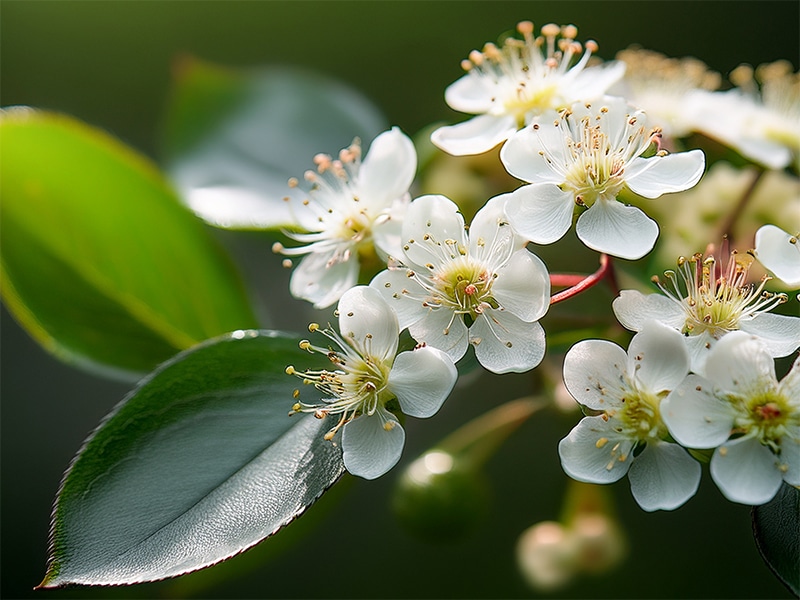
Black Chokecherry
Aronia melanocarpa
Aronia is a deciduous shrub of strong ecological value. Spring flowers support pollinators and in the fall dark purple, nutrient-dense fruits support birds and mammals. These thick shrubs also provide good nesting habitat for birds.
Aronia can survive in a range of conditions and is a good choice for replacing invasive privet or honeysuckle.
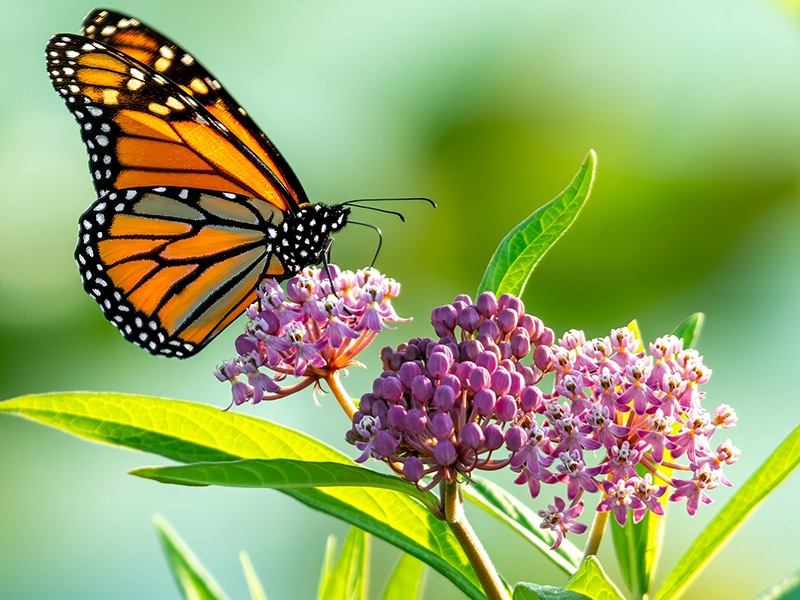
Common Milkweed
Asclepias syriaca
Milkweeds in general are herbaceous perennial native plants that support many butterflies, moths and hummingbirds. They have a specialized relationship with Monarch butterflies as they are the only larval host for their caterpillars; without this food source Monarchs cannot reproduce.
Milkweeds prefer full sun and most can survive in average to dry, poor soil.
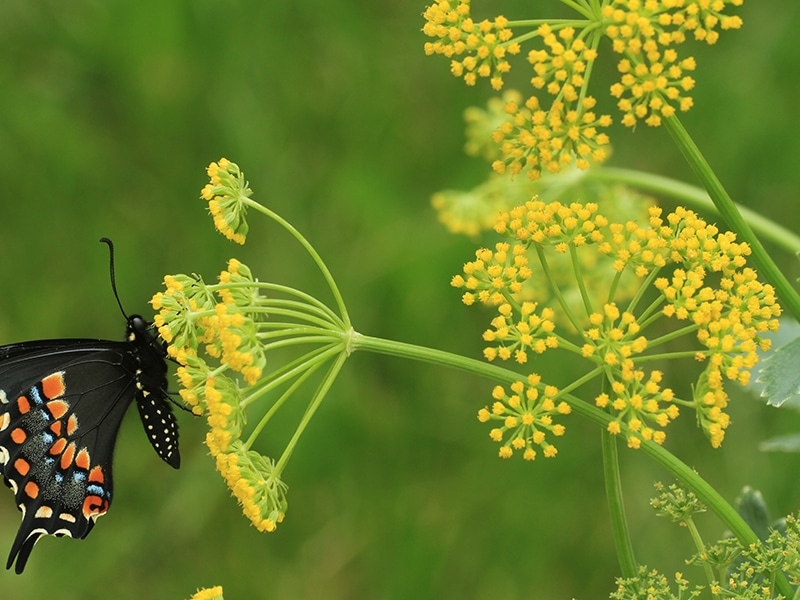
Golden Alexanders
Zizea aurea
Golden Alexanders is a low-growing (12 to 30 inches) perennial plant that produces long-stalked umbels of many small yellow flowers above a mound of compound leaves. It flowers in mid-spring. A good spring pollinator plant, in summer it also produces many small seeds that are eaten by birds.
This plant does well in most sites, except excessively dry or shady areas. A clonally spreading herbaceous plant, it can create a continuous groundcover.
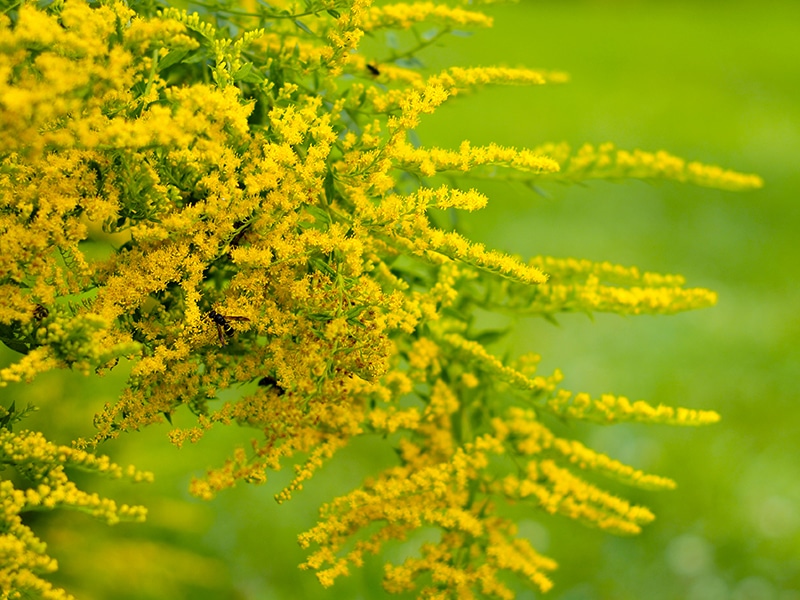
Goldenrod
Solidago spp.
Goldenrods are a diverse group of herbaceous perennials that bloom profusely at the end of the growing season. The (usually) bright yellow blooms provide an important late season nectar source for bees and butterflies. Solidago is considered a keystone plant and supports over 100 species of butterflies and moths as well as many other native insects and birds.
Norfolk has 14 species of solidago. It can be found in City Meadow, along roadsides and in fields.
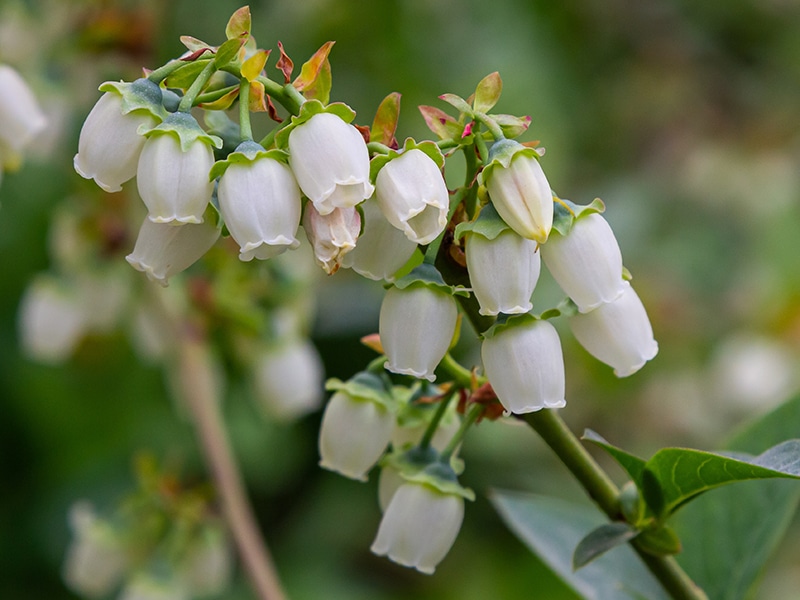
Low Bush Blueberry
Vaccinium angustifolium
This important keystone plant hosts more than 200 caterpillar species, which are critical to feeding baby birds. In spring, blueberry flowers provide nectar to both native and honey bees, and in late summer the berries support the birds.
Blueberries prefer slightly acidic, well drained soil and full sun.
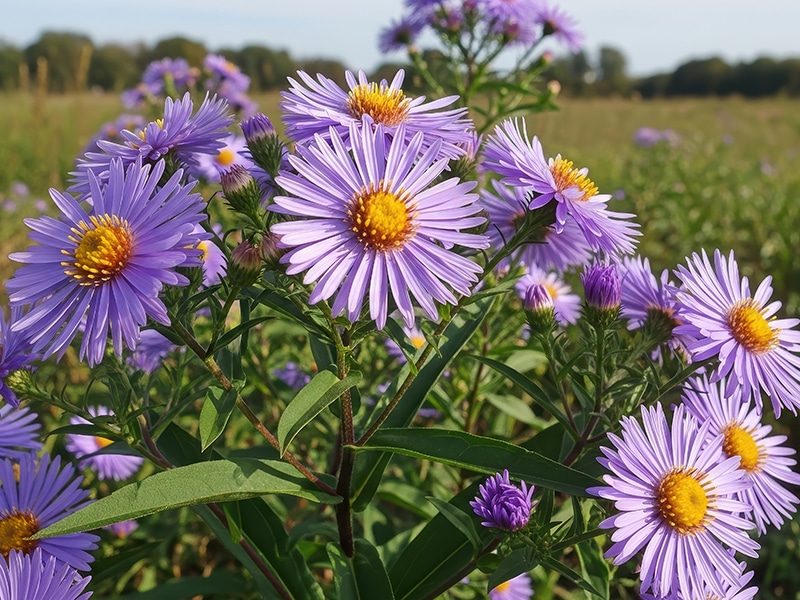
New England Aster
Symphyotrichum novae-angliae
New England Aster is a hardy perennial plant that produces masses of daisy-shaped flowers late in the season. Its blossoms are a critical nectar source for overwintering bees and migrating Monarch butterflies. New England aster is considered a keystone species for supporting biodiversity, including over 90 varieties of caterpillars, which in turn feed baby birds.
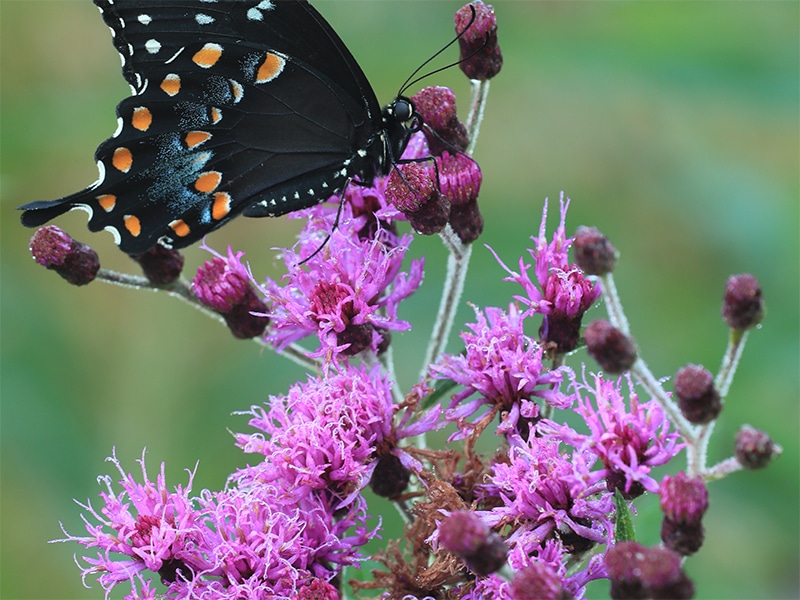
New York Ironweed
Vernonia noveboracensis
Blooming for weeks on end in late summer with purple flowers on strong, 7-foot tall stems, New York Ironweed is a host plant to American Painted Lady butterflies and is a valuable late season food source for Monarchs, Swallowtails and Skippers. It can be seen blooming in City Meadow in August and September near the pond.
Ironweed is fabulous in swaths in a damp meadow and makes a statement in the back of a border. Leave the stalks up at the end of the season so the seed heads can feed the birds.
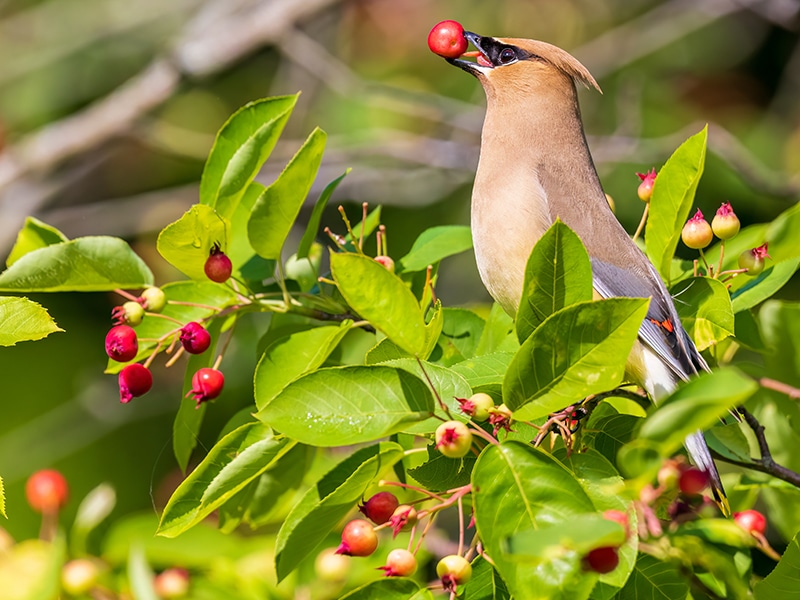
Shadbush or Serviceberry
Amelanchier spp.
There are several species of native shadbushes, some small trees and others low or tall shrubs. They are related to apples and, in early summer, produce a small (half-inch), edible fruit that are highly desirable to wildlife. They are some of our earliest flowering plants, producing abundant, dainty white flowers in late April to May). These provide an early season food source for pollinators.
Shadbushes do best in well-drained soils and full sun but also tolerate some shade and moisture.
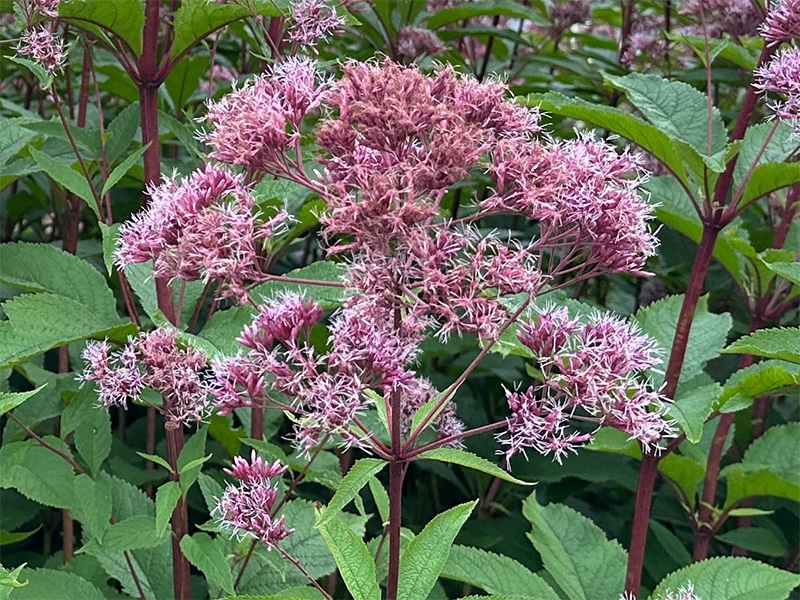
Spotted Joe Pye Weed
Eutrochium maculatum
Spotted Joe Pye Weed is a tall mid-summer blooming perennial with sturdy purple stems toped by pink umbral flowers. The flowers provide a vital nectar source for butterflies, moths and long tongued bees.
Joe Pye Weed prefers a moist-to-wet, sunny site. It can be found in City Meadow.
Native Plant Resources
- Guide: Attract pollinators to your garden using native plants
- Guide: Bring wildlife to your yard with native plants
- Guide: Ecological gardening
- Guide: Selecting plants for pollinators (regional)
- List: Keystone plants in the Atlantic Highlands ecoregion
- List: Native plants with garden nurseries that sell them (University of Connecticut)
- Video: How to turn your yard into a homegrown national park by Douglas Tallamy
- Video: Protecting Biodiversity, Zoom presentation on biodiversity conservation by herpetologist Hank Gruner, March 9, 2026 (Passcode: .d6jku^6)
- Video: What are “Keystone” plants?
- Website: Go Botany, tools for identifying native New England plants
- Website: Homegrown National Park, resources to help those who are adding native plants and removing invasive ones
- Website: iNaturalist, a community of naturalists; offers a free phone app that will accurately identify plants, insects and animals
- Website: Native Plant Trust